
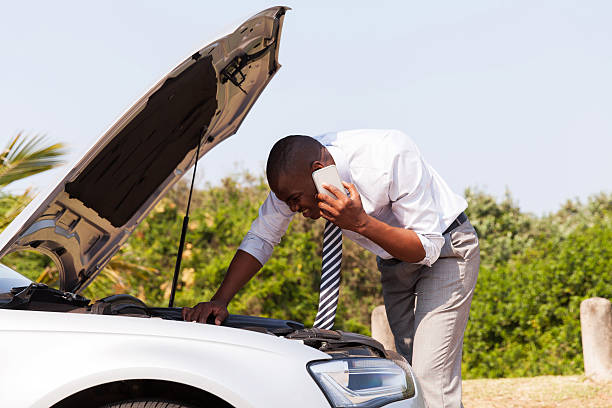
In Nigeria, long trips from Lagos to Abuja, Port Harcourt to Kano, or even village runs during festive seasons often turn into nightmares when the engine overheats. A faulty radiator is usually the main culprit. With bad fuel, dusty harmattan winds, and terrible roads, your radiator works harder than in many other countries. Regular maintenance keeps it healthy and saves you from expensive repairs or being stranded on the highway.
Here is a simple, practical guide every Nigerian driver can follow to keep the radiator in top shape before and during long journeys.
- Check Coolant Level Every Two Weeks
Park on level ground, wait for the engine to cool completely, then open the radiator cap or the overflow tank. The coolant should sit between the MIN and MAX marks. Use only the type recommended in your owner’s manual. Many Toyota and Honda owners do well with red long-life coolant, while some European cars need blue or pink. Never mix colours unless the label says it is safe. In Nigeria, buy from reputable filling stations or auto parts shops in Ladipo or Nnewi to avoid fake products. - Inspect for Leaks Regularly
Walk around the car after parking and look for green, pink, or orange stains under the engine bay. Feel the radiator hoses; if they feel rock hard or spongy, replace them before they burst on Third Mainland Bridge. A small leak today becomes a big problem at 120 km/h on the expressway. - Clean the Exterior Fins
Dust, grass, and insects block airflow, especially during harmattan. Once a month, use a soft brush or low-pressure water to clean the front of the radiator. Turn off the engine and cover the alternator with a plastic bag first. A clean radiator can drop engine temperature by 10 to 15 degrees. - Flush the System Once a Year
Old coolant loses its ability to prevent rust and boiling. In our hot climate, flush the radiator every 12 months or 40,000 km, whichever comes first. You can do it yourself: drain the old fluid, run clean water through until it comes out clear, then refill with 50/50 coolant and distilled water. Distilled water matters because tap or borehole water contains minerals that clog the radiator tubes over time. - Watch the Temperature Gauge
If the needle moves past halfway while cruising, pull over safely, turn off the engine, and let it cool for at least 30 minutes. Never open the radiator cap when hot; boiling coolant can cause serious burns. Carry one or two litres of premixed coolant in the boot whenever you travel. - Replace the Thermostat and Water Pump on Schedule
A stuck thermostat is a silent killer. Most mechanics recommend replacement every four years. If your car still uses a fan belt water pump, change it during major service to avoid sudden failure in the middle of nowhere. - Use Quality Radiator Caps
The cap maintains pressure in the system. A weak cap lets coolant boil at lower temperatures. Buy original or trusted brands like Gates or Denso, not the cheap N500 ones sold by the roadside.
By spending 30 minutes every month and a little money once a year, you can prevent 90 percent of overheating issues. A healthy radiator means you arrive safely, save fuel, and protect your engine from costly damage. Before your next long trip, pop the bonnet and give your radiator some love. Your car and your wallet will thank you.
